
I’ve never made a ‘to be read’, mostly because reading is not something I’m very good at, and I’m not good at doing anything regularly. In part, I am making this list so that I can prepare for the year ahead, which I know is one of the only ways I’ll actually go through with reading at least a few of the books below.
The other part of why I’m doing this, is because I’ve just purchased my very own bookshelf for the first time ever, and it’s so gorgeous. But, I simply cannot allow myself to buy anymore books to fill up the shelves, without reading the countless unread volumes I have on there right now. So, without further ado, here are 22 books I own but have never read, that I am 100%, absolutely, definitely going to read in 2022.

Every list of books that budding writers should read features this novel. I know little about it apart from that it’s about children and childhood, and features, as Kurt Vonnegut said, ’everything in life’. I’m going to keep it that way, because for a book of this size both in pages and legacy, I feel like the most vivid experience is to learn what it is about through reading it, and to experience the good and bad parts by reading them. This is right at the top of my list because I’m super excited about it, I just can’t wait to dig into a classic.
2. A Revolutionary Life – Jon Lee Anderson
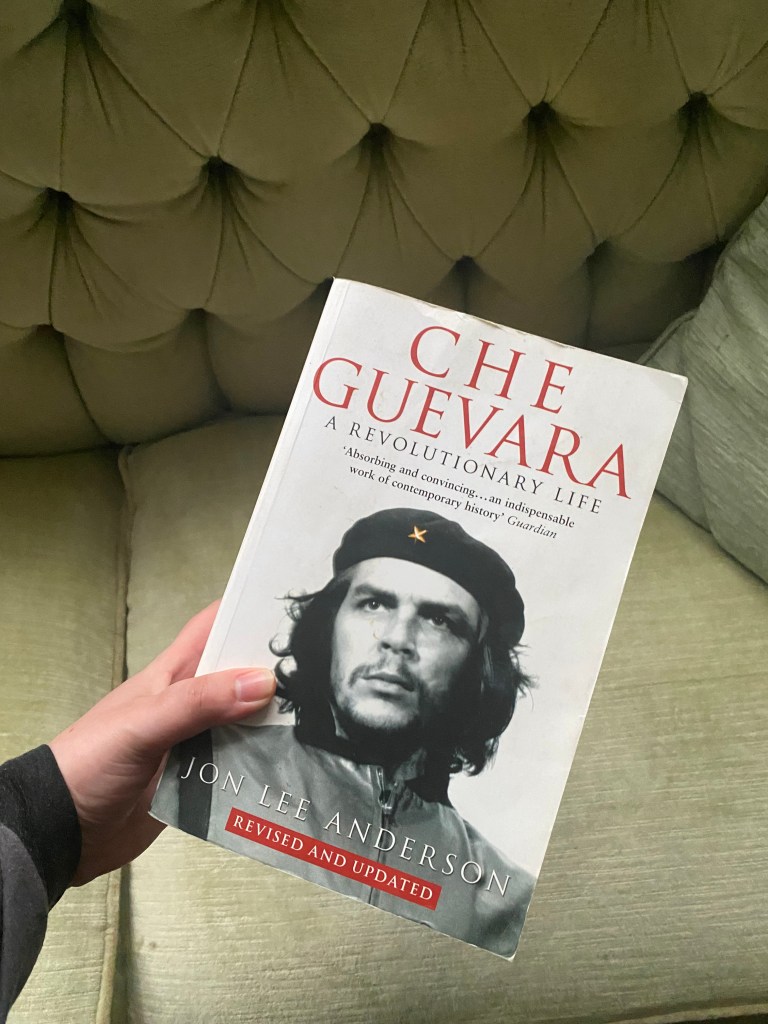
What does it say about this list that the second book is a 800 page biography of Ernesto ‘Che’ Guevara? I’m really frontloading the big stuff at the start of the year, because if I don’t get through it now then I never will. My dad gave me this book a while ago, Che is about the only way he’s ever managed to relate to the political left, and of course it had to be through one of the most widely publicised, popularly twisted, and ‘cool’ pariahs of the communistic to ever be famed. I’ve started this book about 3 times now and this year I am desperate to get through it if only to be able to feel slightly less guilty about wearing his face on mass produced t-shirts.
3. The Bell Jar – Sylvia Plath
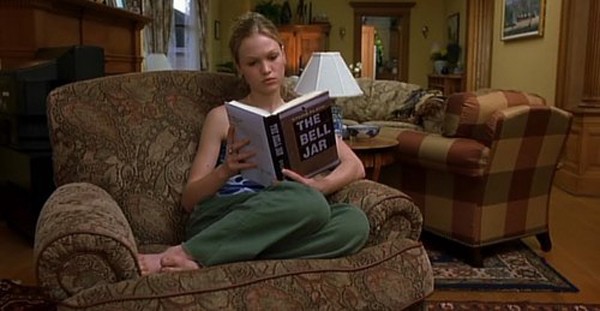
I’ve actually seen many people who read this book in their late teens come out and condemn it as overrated, not Plath’s best work by a long stretch, and kind of damaging (or easily misunderstood by a younger, less experienced audience). However, I feel to get to the point where I can talk about her in this way, or to read her other self focused works with a better understanding of her style, I have to read The Bell Jar.
Basically, to read it I have to read it. It also interests me that its about a woman’s descent into madness, an aspect of the feminine feral that rarely gets written about, not nearly as much as it does for our male counterparts.
4. Women and the Vote – Jad Adams
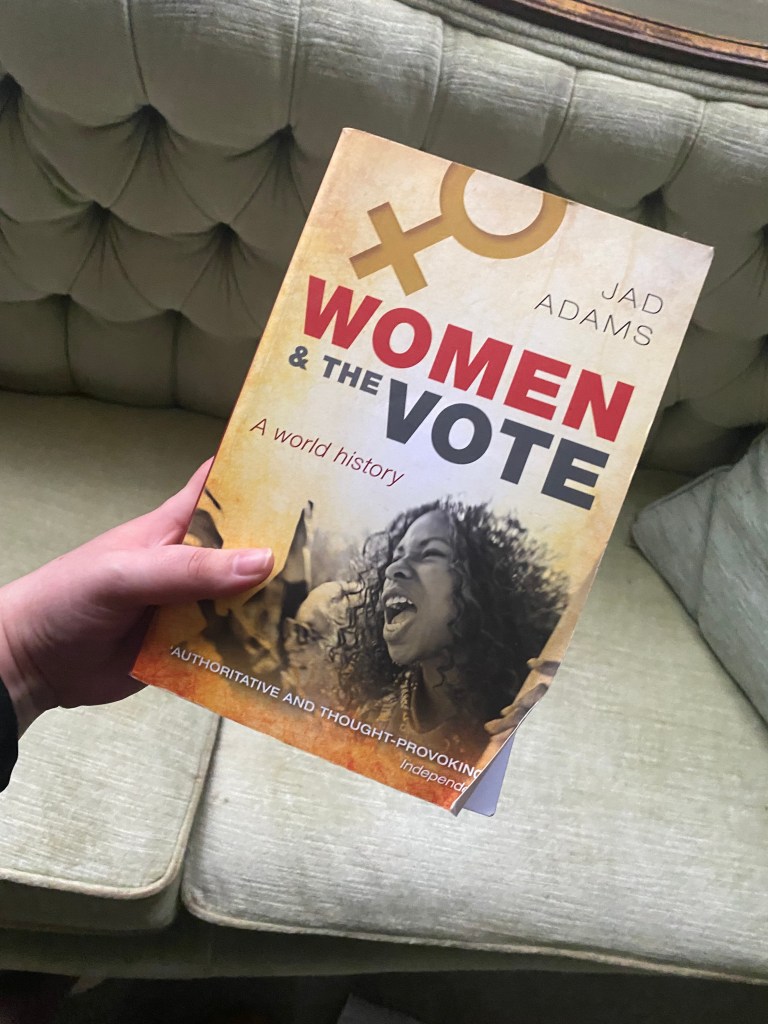
I bought this book back 6 years ago, as one of my first forays into both historical literature and female centric literature. You can tell I was slightly less radicalised back then because I bought a book on women written by a man, and even though this is something my hurt can never allow me to do now, I’m kind of glad I did. Since then it has sat on my shelf taking the back seat to those books more relevant to my studies, and those that were slightly easier to read.
But this year I finally want to get into it, if only to honour and recreate my younger self who could recite the dates for most major events in the 19th century. The book follows each and every country in the world where women have gained the popular vote, and details how they earned it.
5. The Discworld Series – Terry Pratchett
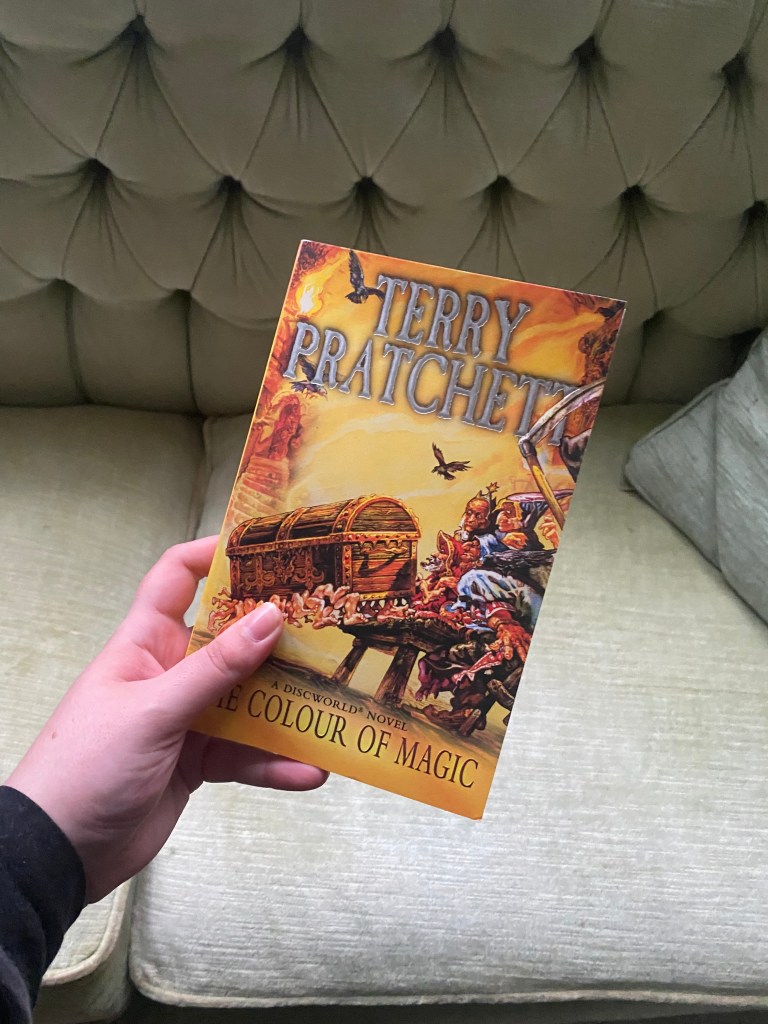
When I was little, I used to read the same fairy series that just about every other little girl read too, the Rainbow Magic books. They were wonderfully easy, engaging books that made me want to collect and read them all, for the first time in my life. Currently there are 206, although I think I only made it through the first 8.
I want another series like that, easy and magical, not like Game of Thrones, or Harry Potter, where the commitment just seems slightly too large. I want childlike whimsy and wonder, with good writing too. Discworld may not be it, but after seeing it across the internet constantly in some kind of personalised Pratchett centric ad bombardment, I’m willing to try.
6. A Political Tragedy in 6 Acts – John Keane
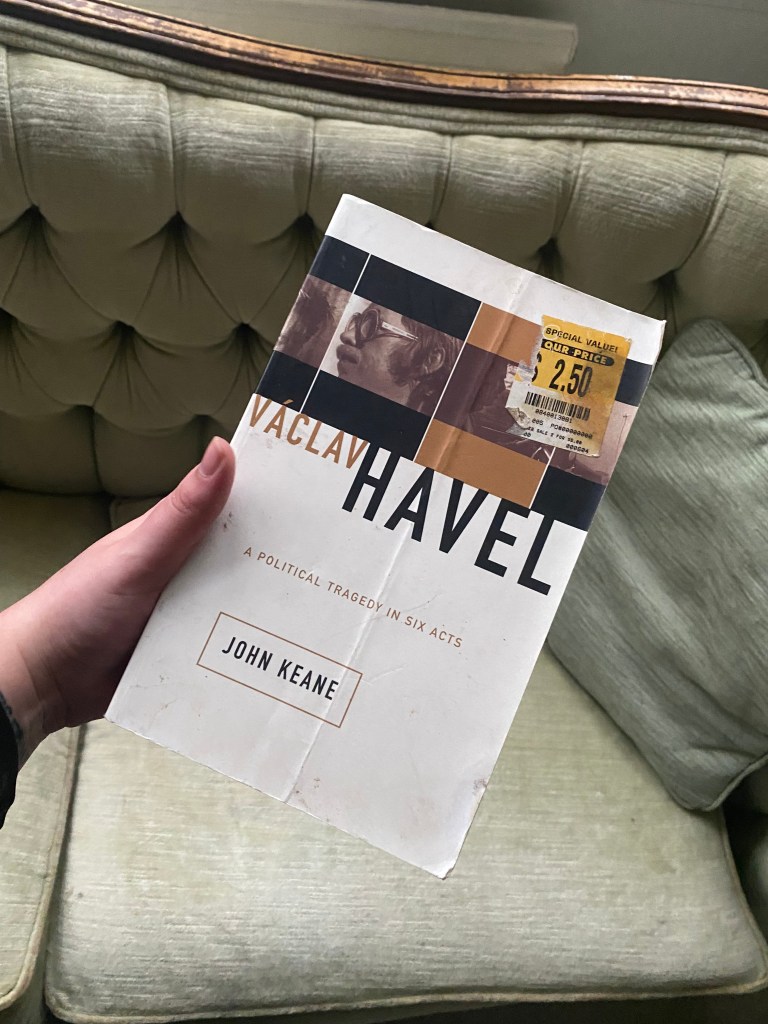
This book is another biography of a politician, this time the last president of Czechoslovakia, and first president of the Czech Republic, Vaclav Havel. If this is out of the blue then you can blame my first year history Czechoslovakia lecturer, who put this book on his reading list – and while you’re at it, give my past self a talking to for spending an obscene amount of money on (almost) pointless history books because she thought she had to buy the entire reading list.
So, with that said, I need to read this book, to justify that I own and spent money on this book. Most importantly, Czechoslovakian history is really rich, and the political side is fascinating to me in that it tends to a very refreshing from of democracy, despite for a long period of the 20th century, being a satellite of some much more extremist states.
7. Cogewea, the Half Blood – “Mourning Dove,” given through Sho-pow-tan.
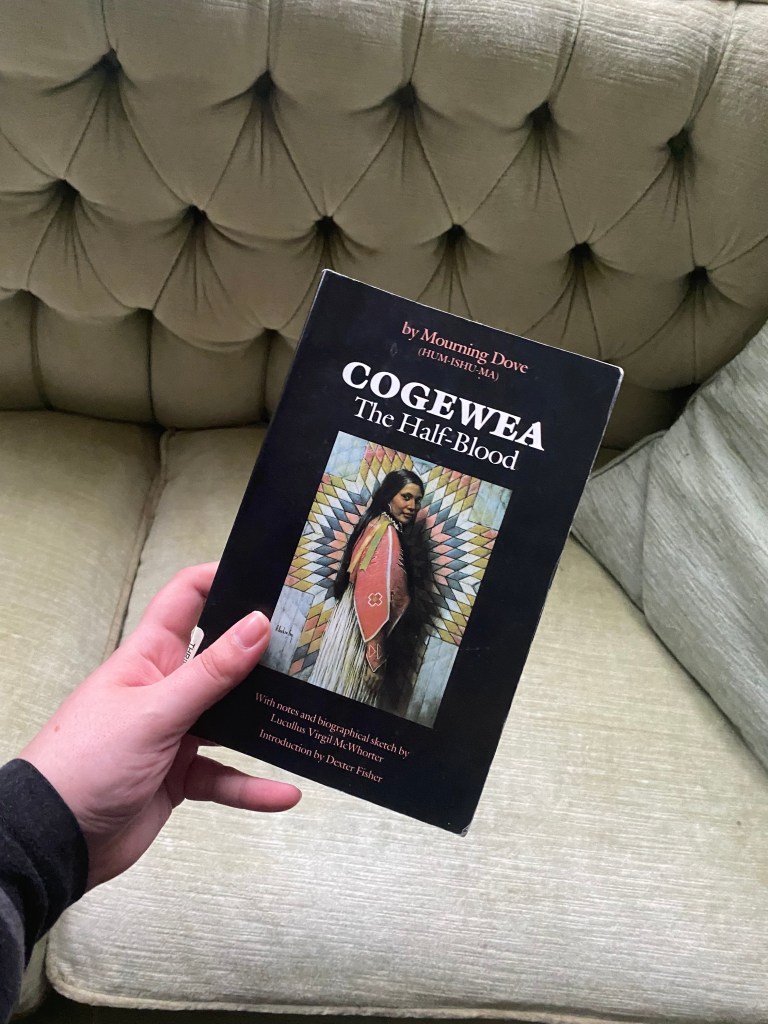
I’ve been talking for a while about how much I’d like to learn more about Native American culture, so what better way than with the first book ever published by a Native American author. An awful lot of what I was taught way back in my GCSE history classes about the North American First Nations Peoples was that of battles, and I’ve never particularly liked military history, especially when it’s only militaristic on one side of the fight. We did learn a surface level amount about the culture in the eighteenth century, but this book showcases a more current and niche look at what it is to live as a ‘modern’ descendent of the original inhabitants of America.
8. The Prestige – Christopher Priest

We watched the movie that’s based on this book ages ago and I really liked it, mostly because I wasn’t expecting it to be so twisty turny when I went into it, and when I came out I felt like I’d been on a rollercoaster. I’ve always loved 19th century history and this is one of those stories that embraces an entirely entertaining part of that specific Victorian culture of spectacle. In short, crazy magicians betraying each other and conducting hi-jinx in Victorian England just sounds like my idea of fun.
9. Women, Race, and Class – Angela Y. Davis

This collection of 13 essays by political activist and philosopher Angela Y. Davis is pretty much mandatory reading for anyone on the left at this point. Having been repeatedly fired from jobs for her views, and jailed for two years all before she wrote Women, Race, and Class in 1981, it contains a documentation of American history by Ms Davis, and how it has shaped modern society.
The book has become something of a masterwork where popular history concerns Angela Davis, and I’m excited to sink my teeth into some ‘classic’ marxist-feminism. Also this book is one of a few on this list, that is so widely available and influential that you can read it online for free.
10. The Electric State – Simon Stålenhag
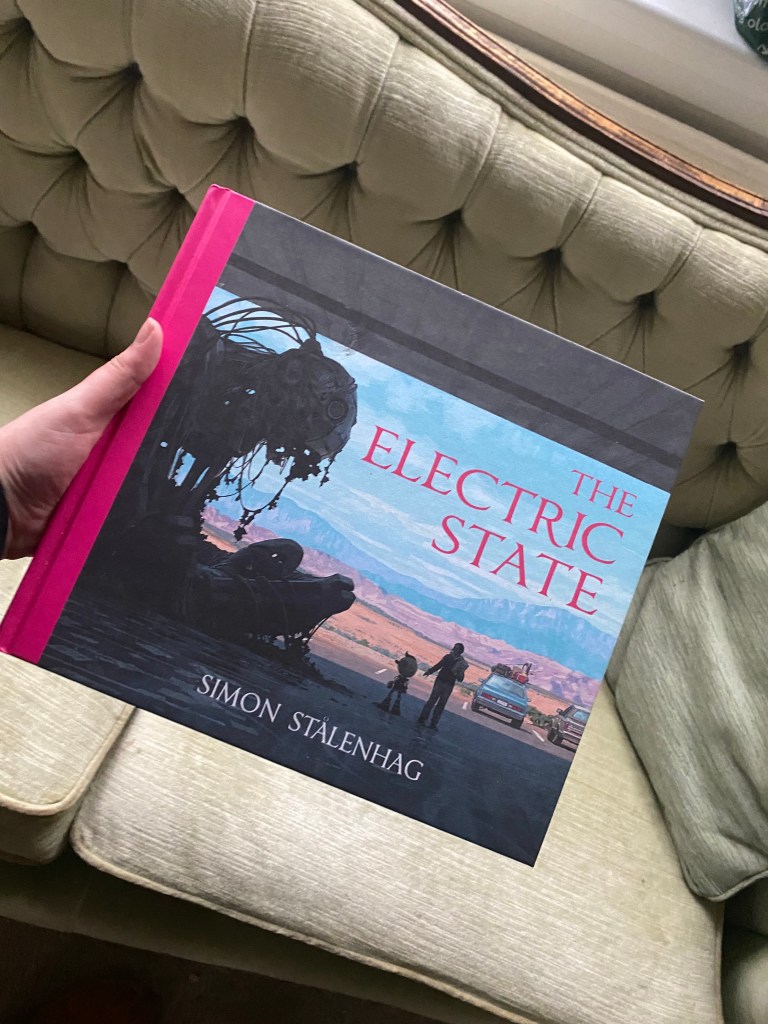
This sci-fi road trip story is illustrated in the most gorgeous way, with sweeping pages covered half in stunning art by Stålenhag, and half in the story of one girl and her robot. After some meaty reads earlier on this list, this is an easy one. I’m really excited to get to grips with a new world, and I’ve been avoiding opening it because I don’t want to spoil any of the artwork inside for myself. While sci-fi is less my thing than other genres, I think this is going to be one of those stories I can really get into, thanks to the atmosphere of the imagery.
11. The Language and Poetry of Flowers

This is an old anthology book published by George Routledge and Sons in 1871. I’m interested in flower arranging, or at least I would like to be, and so I’ve been searching for a few ways to get into it. The original language of flowers that the Victorians developed, assigns each flower with a meaning and emotion that when given to another person, depending on their relationship to you, can convey a multitude of deep sentiments in only a few petals. This art seems like it would be a kitsch thing to learn, to apply later if I ever want to create some cool stuff.
12. Gender Trouble – Judith Butler

Another pre 2000 book on feminism, which is kind of troublesome in itself because feminist thought has progressed an incredible amount in the last two decades, to the point where much of the foundational literature, while wholly influential and educational to a newly radicalised audience, is less relevant to those looking to push queer and feminist thought beyond what it currently is. This is why, when I was searching for books that have historically been important to LGBTQ+ principles, I chose Gender Trouble to put on my to be read because it forms a large part of queer theory that we still see much of today.
However, many feminists have criticised the text, as “Butler reduces gender to language and have contended that the body is a major part of gender”, so as long as I keep in mind how it relates to gender opinion today, it will be an informative read. Also, this book does apparently have a complex writing style, which really doesn’t tend to agree with my terrible attention span and stupid head.
13. Mr Nice – Howard Marks

Reverend and the Makers have a track named MDMAzing that I used to listen to in university all the time. At the start, a crackly recording, that of a voicemail plays. ‘Good morning Reverend. It’s uh, Howard Marks calling.’ When I first heard this song I had no idea who Howard Marks was, despite his long being something of a British troublemakers’ icon.
Born in Bridgend, in Wales, Mr Marks went onto become one of the biggest drug smugglers of the 1970s, eventually being arrested by the DEA and jailed for 7 years due to his activity as a kingpin. He was nicknamed Mr Nice because of a passport he travelled under, ‘Donald Nice’. The name stuck, however, due to his charisma and charming personality, which in spite of the fact that he had probably done some incredibly sinister things, came to form his public image. His 1997 autobiography has been sat on my shelf since about 2 weeks after we finished the film adaptation, and I want to finally get through it in 2022.
14. Americanah – Chimamanda Ngozi Adichie
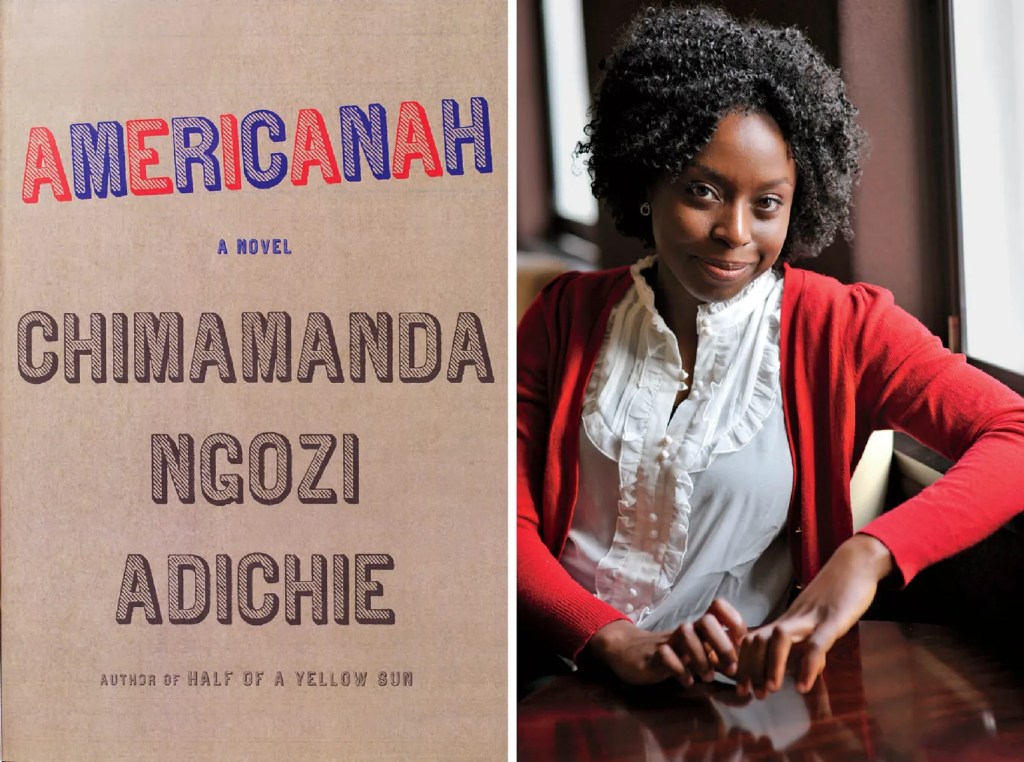
Now for another book that examines social change, but this time through the lens of fiction. Americanah is a highly praised story of two Nigerian lovers, one of whom emigrates to America, and the other who remains in Lagos. When they reunite the differences in their lives and education come to the surface, as the story examines the effect of America on the world at large, and the trials and tribulations of homecomings. I want to read this book as it was recommended to me as necessary reading for the modern woman, and I rarely, if ever, choose to read fictional stories like this otherwise.
15. The Second Sex – Simone de Beauvoir
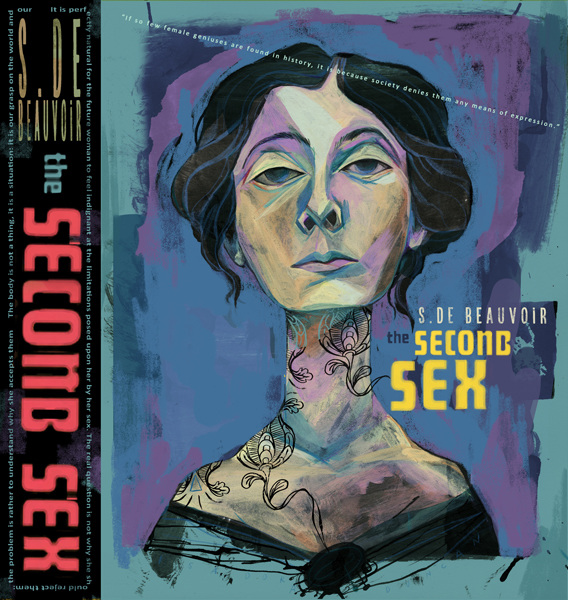
The start point for second wave feminism, again I have chosen this book to put on my feminist reading list before I move onto reading the work of 21st century feminists whose voices are slightly more relevant to today’s society. However, this two volume anthology did form the basis for a huge amount of restructuring of historical thought by women and other radicals during the 20th century. These are big, big reads but I’m going to have to start living up to challenges at some point.
16. The Royals – Kitty Kelley
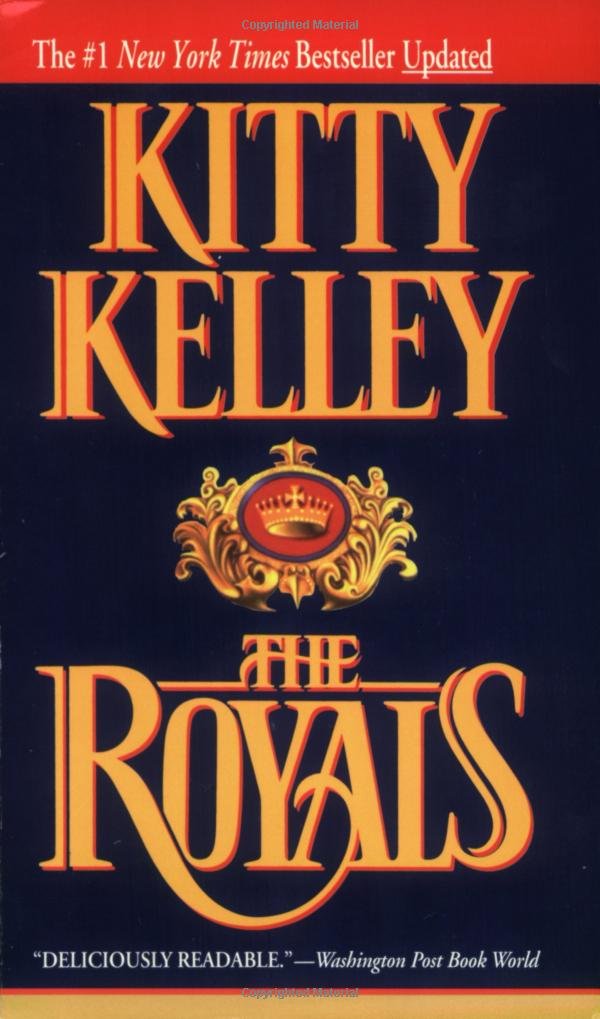
This is just trash, but I suspect after the heady, philosophical musings of many of the 20th century’s most prominent female voices, it’ll be nice to read a less overtly politically motivated work. This New York Times Bestseller details the inner workings of the British Royal Family at what was, probably, the end of its most scandal filled era in history (aside from the one they’re having right now, of course).
Apparently, Kitty Kelley spares no one, and there’s really something that I love about completely shameless gossiping, conducted in an equally shameless way. This opens up entirely different conversations regarding the monarchy, the elite in general, and the inherent right to privacy of every human. In the interest of complete transparency, I couldn’t give a shit about them past my need to be indulged with their ‘secrets’. I think the more pressing conversations are those surrounding the heinous things the monarchy has been allowed to do in private. So, abolish the monarchy, and in the meantime I’ll use them to get my bitchy girl fix.
17. Women and Confucian Cultures – Dorothy Ko
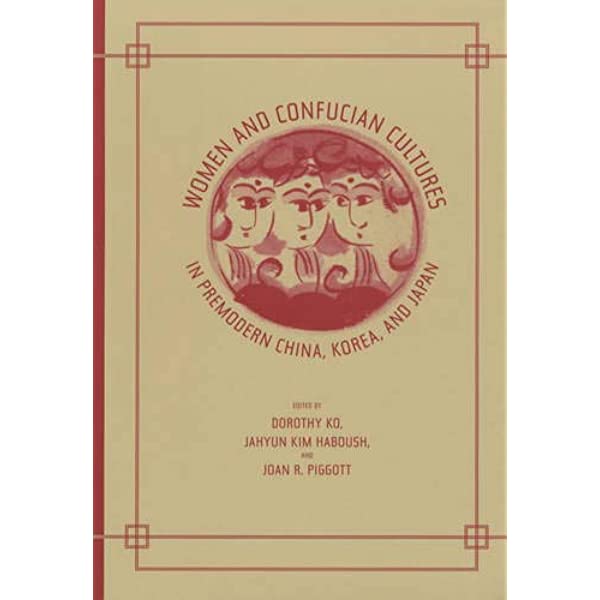
Straight back to it with some more feminist, historical literature, of course we couldn’t leave our Asian sisters out. This book examines China, Japan, and Korea, the countries upon which Confucianism has the largest effect, and how the women of premodern times were socialised in each of them. This is another book that I’ve been recommended as entry level reading to base further study on, and I’ve seen a lot of discourse from East Asian women about rebellions against Confucian societal values. I think it’s interesting, a part of history that I must know about, and a part of global feminism that I must know about.
18. Stardust – Neil Gaiman
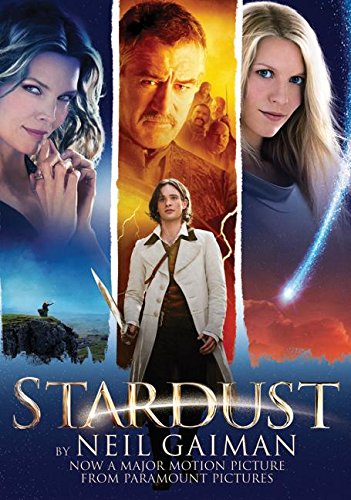
I read Coraline as a child, but admittedly was never really a fan of Neil Gaiman’s darker brand of children’s fantasy. However, I did love the movie Stardust. It’s one of those films that got slammed when it came out, and is now seeing a renaissance of deserved love from the children who watched it in the early 2000s, but weren’t old enough or coherent enough yet to have IMDb accounts to argue with the critics who disliked it. The fantasy in it is rich, that’s probably the only way to describe it, concepts I’d never think of but once I knew about them, could never not exist in my imagination. And I never even knew Neil Gaiman wrote the book! So when I found out that he did, of course I had to add it to my reading list. Also technically I think this is a children’s book, so hopefully it should be a very easy read.
19. The S.C.U.M Manifesto – Valerie Solanas
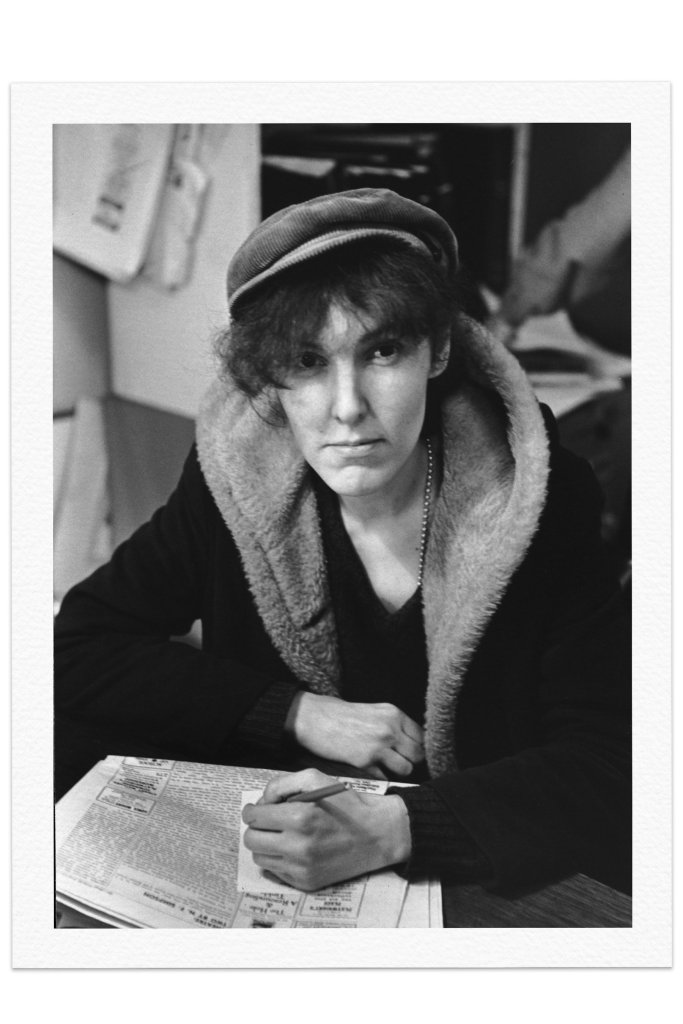
Valerie Solanas could probably warrant the description ‘extremist’, but most certainly makes her own that of ‘radical’. This is evident from the first lines of her feminist manifesto:
“Life in this society being, at best, an utter bore and no aspect of society being at all relevant to women, there remains to civic-minded, responsible, thrill-seeking females only to overthrow the government, eliminate the money system, institute complete automation and destroy the male sex.”
Sometimes it’s nice to read something by someone with the same anger as you, who has been called all the same names as you and kept on going. And a book that advocates for women to overthrow governments seems like a very thrilling option to me, after reading Florence Given’s beautifully worded modern feminist guidebook ‘Women Don’t Owe You Pretty’. Now, I want something a little bit more edgy in its feminism. Also she shot Andy Warhol, didn’t kill him or anything, just shot him. Soooooo, thats’s cool.
20. Fictions – Jorge Luis Borgés

The Netflix show Narcos follows the life and times of infamous drug lord Pablo Escobar, however the series opens with an image of the Columbian mountains, and the text: “ Magical realism is defined as what happens when a highly detailed, realistic setting is invaded by something too strange to believe. There is a reason magical realism was born in Columbia.”
However, there is some debate over which was the first magical realist story. The term was first used in 1940 by Cuban novelist Alejo Carpentier to describe a trend that was incredibly common throughout literature from all across Latin America. Argentine poet Jorge Luis Borges, is one of these first eminent magical realist writers, and so Fictions, his compilation of short fantasy stories, has made its way onto my TBR as an introduction to this genre that I have for so long wanted to know more about.
21. The Death of Democracy – Benjamin Carter Hett

Some light Nazi literature as the penultimate item on this to be read list. This goes all the way back to my history A level, in which we completed a module titled ‘How Hitler Consolidated Power’. It was something I’d never considered before, and really opened up the next chapter of my education on the NSDAP, and history in general. Where in primary school we had learnt all the necessary patriotic musings, and catchy propaganda slogans courtesy of the Ministry of Information, and in high school we had learnt about the relevant tragedies (the allied tragedies) and nothing about Russia, I was kind of sick of hearing the same thing again and again.
Learning about how Hitler, and the nazis, actually did it all, gave me this strange epiphany where World War Two, for the first time in my life, had been contextualised beyond that of some out of reach British victory. It lead me to Weimar Germany, which opened up the 20th century to me as a whole. It showed me that there was a wealth of knowledge, discussion, and history beyond that which the compulsory education system was willing to tell us, and that even though we were told it was a World War to illustrate the stakes, Britain and France weren’t the only countries that suffered immeasurably during that time. This book is that A level module in more detail, so hopefully I should be able to refresh my memory, and understand it all a bit better this time.
22. The Mabinogion

To finish off, we have the most famous collection of stories from medieval Wales, and the earliest collection of prose from the British Isles. The stories feature prominent oral traditions from the time, as well as many stories that would go on to influence the romances of early modern Europe. I’ve been wanting to read more books that were influential to Welsh culture, and what better place to start than literally (maybe) the first written stories ever. Of course, since these stories were originally written in Middle Welsh, I will be reading a translation.
And there we have it. Twenty two, eclectic (yet not really) reads for 2022. I really hope I can actually will myself to stick to this challenge, if only so I can return next Christmas, once WordPress have sucked another annual fee from me, so I can give my thoughts on them. Please let me know that I’m not alone, and if you have some books that you’ve bought but never read, why not make 2022 the year to finish them?
 ELLE VA